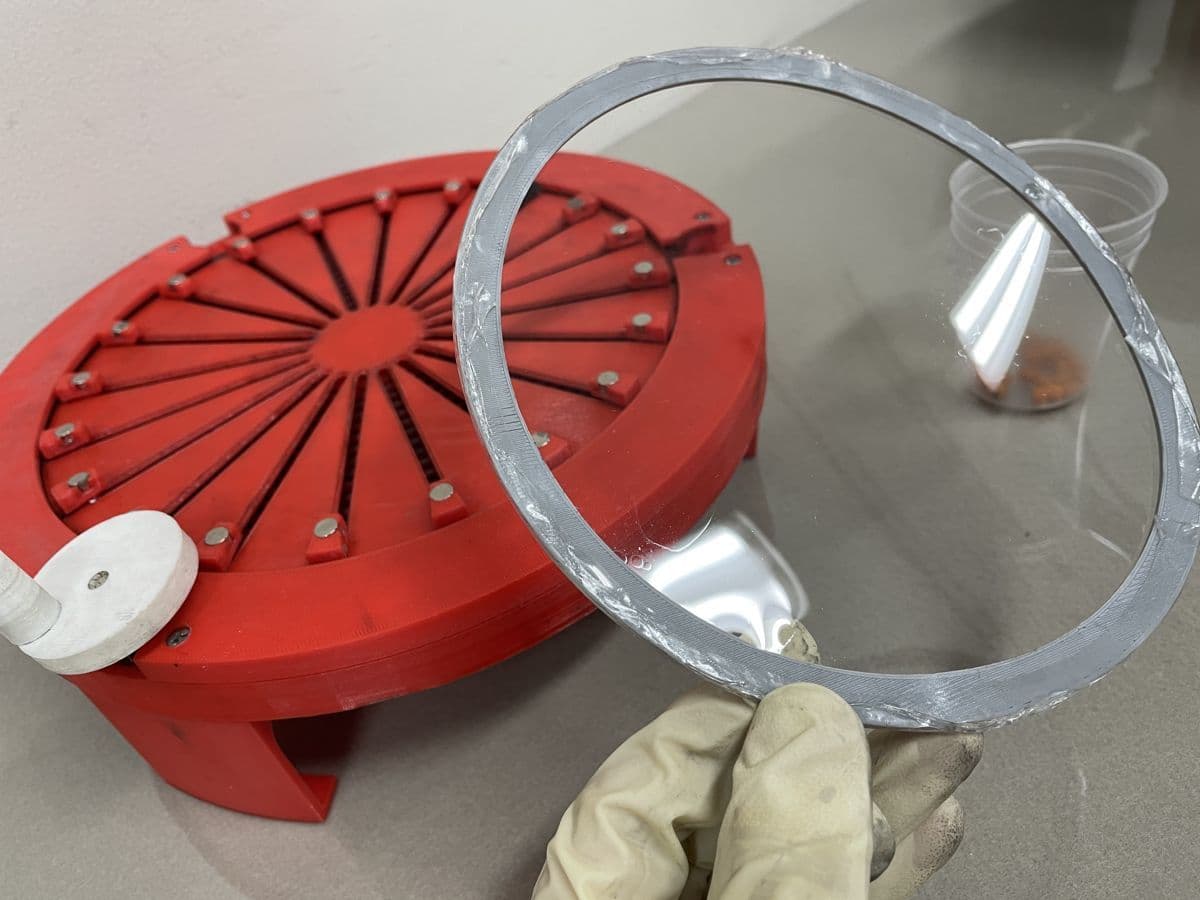
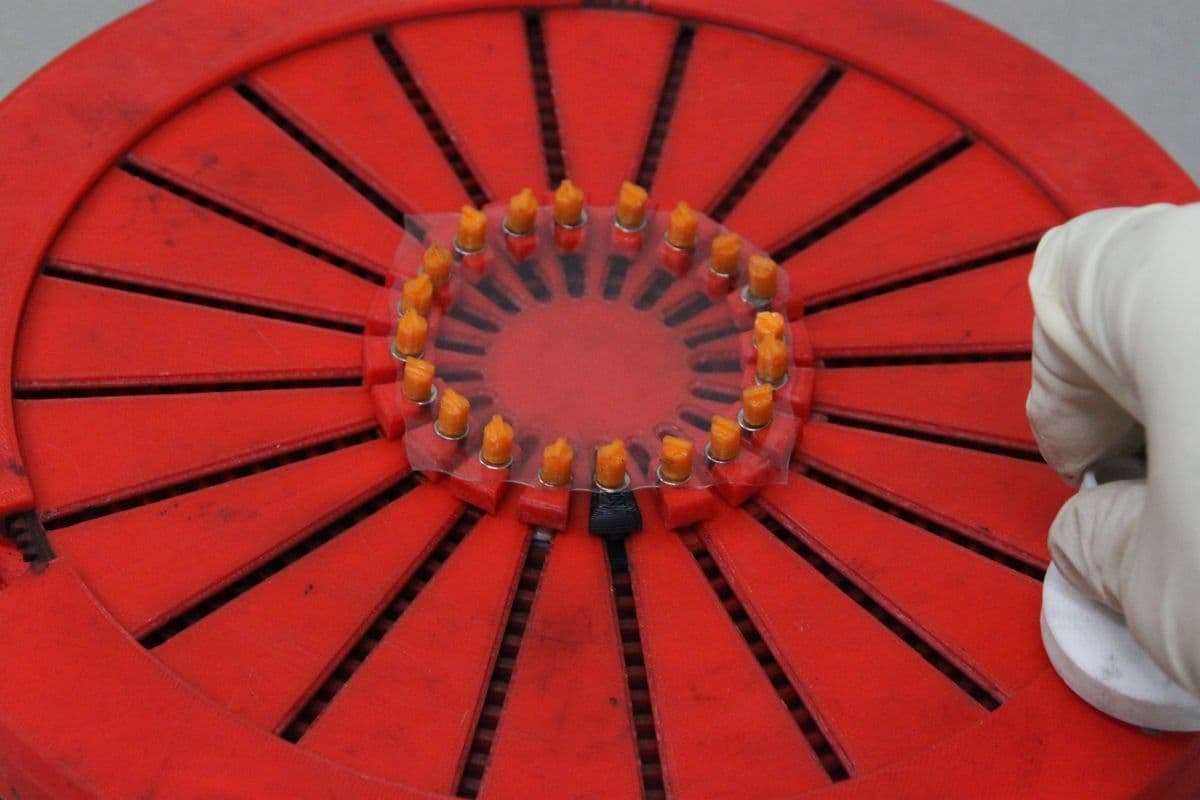
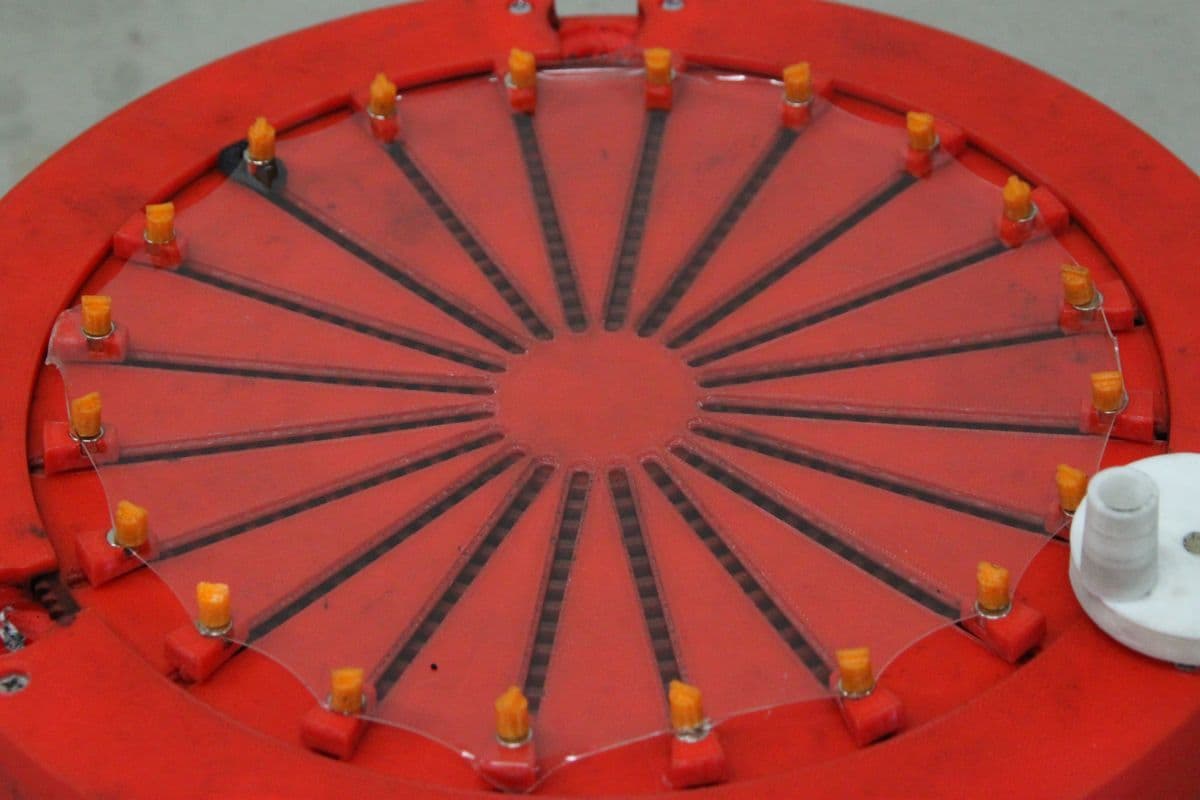
Pre-strain for DEA
Pre-strain for Dielectric Elastomer Actuators (DEA)
Overview
Dielectric Elastomer Actuators (DEA) are a class of soft actuators that exploit the electro-elastic properties of dielectric materials to generate mechanical motion in response to an electric field. The introduction of pre-strain (the application of mechanical deformation prior to electrical activation) has emerged as a pivotal technique to enhance the performance of DEAs. Pre-straining modifies the material properties and operational characteristics, allowing for higher actuation strains and improved efficiency. This approach is particularly important in applications where high displacement and force generation are required.
Mechanism
Pre-strain involves initially stretching or deforming the dielectric elastomer material before it is subjected to an electric field. This mechanism can be explained through the following key points:
-
Material Properties: Dielectric elastomers are often made from polymeric materials that exhibit nonlinear elastic behavior. Pre-straining alters the initial configuration of the material which, when combined with the electric field, leads to enhanced deformation capabilities.
-
Electromechanical Coupling: When an electric field is applied to a pre-strained DEA, the deformation is enhanced due to a combination of electrical forces and mechanical constraints. The pre-strain helps to align the molecular chains in the elastomer, enabling a more efficient transfer of energy from electrical to mechanical form.
-
Increased Actuation Strain: By pre-straining the DEA, it can achieve larger actuation strains when the electric field is applied. This is fundamentally due to the reduced stiffness associated with the initial elongation of the material, allowing for greater deflection under electric stimulus.
-
Enhanced Stability: Pre-straining can also improve the stability of the actuator under operation, minimizing the risk of electrical breakdown and increasing the operational lifespan of the device.
Applications
The strategic implementation of pre-strain in DEAs broadens the field of practical applications, encapsulated in the following areas:
-
Soft Robotics: Pre-strained DEAs are widely used in soft robotic systems where flexibility, adaptability, and the ability to mimic biological movements are essential. These actuators can create lifelike motions in robotic limbs and grippers.
-
Artificial Muscles: DEAs serve as artificial muscle systems due to their capacity to produce large strains and fast response times. Pre-straining enhances their functionality, making them suitable for applications in prosthetics and exoskeletons.
-
Haptic Feedback Devices: In human-computer interaction and virtual reality, pre-strained DEAs can produce tactile sensations through controlled deformation, enhancing user experience in devices like haptic gloves.
-
Micro- and Nano-Scale Actuators: Miniature devices often require high precision and compact design. Pre-strain allows DEAs to be fabricated at smaller scales, enabling applications in microfluidics, MEMS (Micro-Electro-Mechanical Systems), and biomedical devices.
-
Energy Harvesting: Pre-strained DEAs can also be optimized for energy harvesting applications, where they can convert mechanical energy from environmental sources into electrical energy, demonstrating an effective avenue for renewable energy solutions.
In conclusion, the integration of pre-strain into dielectric elastomer actuators is a game-changer that unlocks their full potential across a diverse range of applications, positioning DEAs as critical components in the advancement of flexible, intelligent systems in modern technology.